
Kitchen Tiling in Nottingham
Free Consultation
0115-824-4201
Kitchen Tiling in Nottingham
- 800+ kitchens completed across Nottingham and the East Midlands, with tiling coordinated in as standard on full fits
- One team sequences plumbing, electrics and tiling in the right order, so nothing gets tiled over and has to be cut back open later
- Full written quotation before any work starts, no hidden extras, backed by a 5-year guarantee on labour and installation
What Our Kitchen Tiling Service Actually Covers
- Wall tiling to splashback areas behind the hob and sink run
- Full wall tiling from worktop height up to the underside of wall units, or floor to ceiling on a feature wall
- Floor tiling in ceramic or porcelain, including large-format slabs
- Removal and disposal of your existing tiles under our registered waste carrier licence
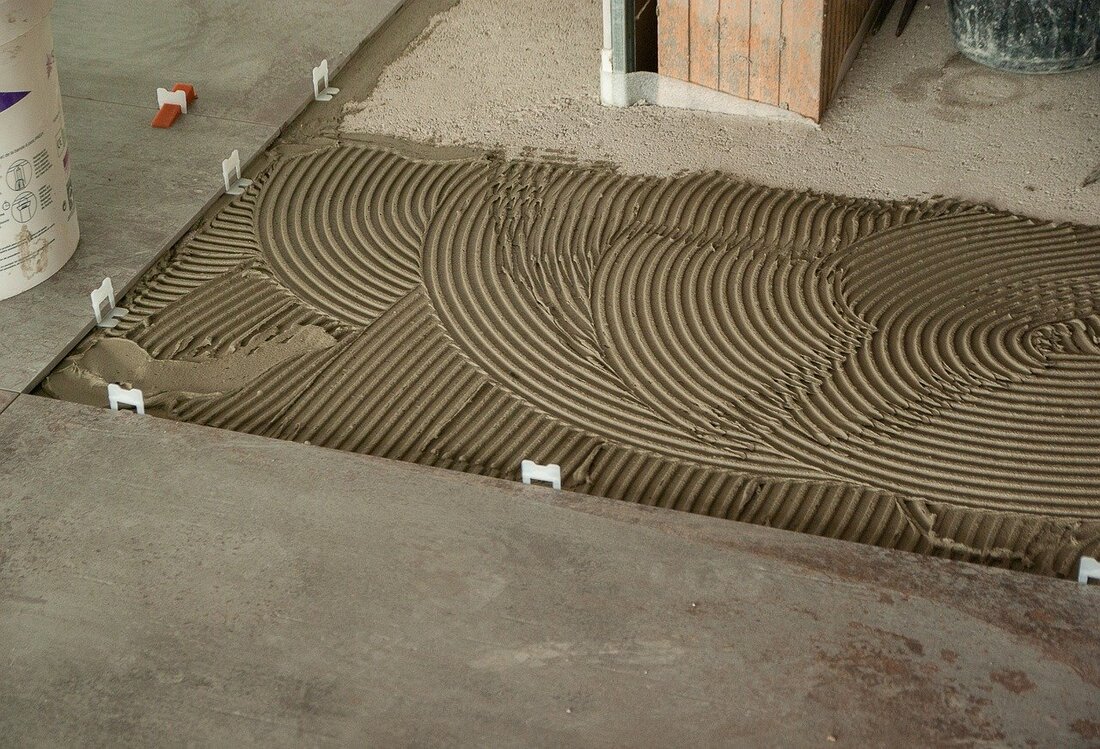
- Substrate preparation - self-levelling compound on uneven older solid floors, backer board over timber floors
- Tanking (waterproof membrane) behind sink runs and around any floor-level wet zones
- Cutting tiles neatly around sockets, extractor fans, worktop upstands and hob or sink cut-outs
- Grouting, flexible silicone sealant at the worktop-to-wall junction, and edge or corner trims
- Colour and grout-shade matching where you only need a partial repair against existing tiling
- Timing the tiling to run after first-fix plumbing and electrics behind the tiled area are complete
Not Included / Costed Separately
- Replastering or repairing damaged plaster underneath - handled separately by our plastering side if the wall needs it before tiling
- Installing underfloor heating - we'll tile over an existing system, but fitting a new one is a separate job
- New units, worktops or appliances - tiling is normally one stage within a wider kitchen fit, not the whole project
- Gas hob installation and commissioning, which stays with our Gas Safe registered engineers rather than the tiling team
- Asbestos testing or removal on pre-1980s floor coverings - a specialist needs to clear this before we can lift old flooring
- Making good to walls left damaged by stripping out very old solid-bed tiling - quoted once we've seen the extent on site
How a Kitchen Tiling Job Actually Runs, Start to Finish
- Initial call -- You tell us whether it's a standalone splashback or floor job, or tiling as part of a bigger kitchen fit, and roughly what area and style you have in mind.
- Home visit and measure-up -- We measure the wall and floor areas, check what's underneath - old tiles, bare plaster, timber floor, an uneven older solid floor - and note where sockets, the extractor and the hob will sit.
- Written quotation and tile order -- You get a full written quote broken down by materials and labour, with no hidden extras. Once you confirm, we order the tiles, adhesive and trims to suit the substrate.
- Strip-out and prep -- Old tiles come off and go under our registered waste carrier licence, the substrate gets levelled or boarded as needed, and we hold off starting until first-fix plumbing and electrics behind the tiled area are done.
- Tiling and grouting -- Tiles are set out, levelled and spaced, cut in around sockets, the extractor and any hob or sink cut-outs, then grouted, with flexible silicone run along the worktop junction and trims fitted to any exposed edges.
- Sign-off and warranty -- We walk the finished tiling through with you, sort any snags on the spot, and issue formal sign-off with a written installation warranty - a 5-year guarantee on labour and installation, 2-year on the tiles and materials themselves.
What Kitchen Tiling Costs in Nottingham
As a rough guide, kitchen wall tiling in the UK tends to run at roughly £80-£130 per m² all-in, with materials somewhere between £15 and £120 per m² depending on what you pick, and labour typically £30-£75 per m². Industry cost guides from MyBuilder, Checkatrade and PricingPenguin put kitchen wall tiling at an average of around £110/m², with plain ceramic nearer £80-£110/m² and porcelain from around £90/m² upwards once you factor in the slower cutting time porcelain needs. If your old tiles need coming off first, or the substrate underneath needs levelling, add roughly £10-£20/m² on top for that prep work - it's a genuine extra, not something to bury in the headline price.
Where you sit in the East Midlands generally works in your favour compared with London and the South East, where the same job typically costs 20-35% more; Nottingham pricing sits closer to the more moderate end of the national range. None of this replaces an actual figure for your kitchen, though - tile choice, wall condition, how much cutting-in is needed around sockets and units, and whether it's a standalone job or bundled into a full refit all move the number. A free home visit gets you a written quotation with the materials and labour broken out separately, and we lock that price in once you've confirmed the tile order, so it doesn't drift between quoting and the job actually starting.
Ceramic, Porcelain and Large-Format Tiles Compared for a Nottingham Kitchen
| Tile Type | Typical Cost Fitted | Best Suited To | Practical Trade-Off |
|---|---|---|---|
| Standard ceramic wall tiles | Around £80-£110/m² | Splashbacks and standard wall runs on most budgets | Easier and quicker to cut, but the glaze chips more easily on knocked edges over time |
| Porcelain wall or floor tiles | From around £90/m² upwards | Floors and any high-traffic area in a busy family kitchen | Denser and far harder wearing, but needs sharper tooling and a slower cut, which shows up in labour time |
| Large-format porcelain slabs | Toward the top of the £80-£130/m² range | Feature splashbacks and seamless surrounds with fewer grout lines | Cleaner finish with less grout to maintain, but needs a properly flat substrate and specialist adhesive to stop edge lipping |
| Mosaic or metro-style tiles | Materials from around £15/m² up, higher labour per m² | Small splashback areas and period-style kitchens | More grout lines to clean and slower to lay, but suits Victorian and traditional properties well |
Tiling Planned Around the Rest of Your Kitchen, Not Squeezed In After It
The reason tiling goes wrong on a lot of kitchen jobs isn't the tiling itself - it's the order things happen in. Sockets get moved after the splashback's already up, a hob gets swapped for a different size, or the units go in slightly out of level and the tile lines never quite sit right against them. We avoid most of that because tiling here isn't a bolt-on trade brought in separately: our City & Guilds trained joiners set the units at the right height first, our NVQ Level 2 and City & Guilds plumbers finish pipework behind the tiled area before we start, and where a gas hob's involved, our Gas Safe registered engineers commission it before the tilers work around the cut-out.
You get a full written agreement before anything starts, so there's no vague scope to argue about later, and any tile removal or old debris leaves site under our registered waste carrier licence rather than in a skip nobody's checked is legal. We're not a national franchise passing your job between subcontractors you've never met - as a family-run business you're dealing with the people actually planning and fitting the work, and we're members of the Construction Industry Training Board and the Federation of Small Businesses, which says something about how the business is run day to day, not just how the tiles look on the day we finish.
Where We Fit Kitchen Tiling Across Nottingham and the East Midlands
Nottingham is home ground for us, and it's where most of our tiling work happens - splashbacks and floors in everything from Lace Market conversions to newer builds nearer the centre. The Lace Market and Creative Quarter in particular tend to suit an industrial-chic tiling approach - exposed brick left visible above the splashback, matte-black trims and grout to match, rather than a bright, glossy finish that fights the rest of the room. Out toward Nottingham Castle and the older streets built into the sandstone, we regularly deal with uneven period floors that need proper levelling compound before a single tile goes down - that's a Victorian-solid-floor problem more than a design one, and it's worth budgeting for.
Beyond the city we cover West Bridgford, Wollaton, Beeston, Arnold and Sneinton regularly, along with Mansfield, Kirkby-in-Ashfield and Stapleford in Nottinghamshire, and Derby, Long Eaton, Alfreton and Heanor across the Derbyshire side, working out from our regional workshop to roughly a 15-20 mile radius that stretches toward Chesterfield and the Derbyshire border. Where a job sits along the NET tram corridor through Beeston, we're used to the access and parking constraints that come with it. Wollaton's period housing near Wollaton Hall often calls for a more traditional metro-tile look than the newer estates further out, and we'll talk through what actually suits your property rather than defaulting to whatever's easiest to fit.
Got Questions?
Frequently Asked Questions
How much does it cost to have a kitchen splashback or wall tiled in Nottingham?
As a working guide, kitchen wall tiling runs at roughly £80-£130 per m² all-in once materials and labour are combined, with plain ceramic nearer £80-£110/m² and porcelain from around £90/m² up. A small splashback behind a single run of hob might only be a couple of square metres, so the total can be modest, but the honest answer is that it needs a site visit - wall condition, tile choice and how much cutting-in is needed around sockets or a cooker hood all move the price. We'll give you a full written quote with no hidden extras once we've actually seen the space.
How long does kitchen tiling usually take to complete?
A straightforward splashback behind a hob or sink typically takes a day or two once the wall's ready to go. A full kitchen with wall tiling and a floor run is more often three to five days, partly because adhesive and grout each need proper curing time before you can put weight or moisture on them. If it's bundled into a wider kitchen refit, we sequence it around the joiners and plumbers so it doesn't sit as a bottleneck on its own.
What's the real difference between ceramic and porcelain tiles for a kitchen?
Ceramic is cheaper to buy and quicker to cut, which keeps labour costs down, and it's perfectly good for a splashback that isn't underfoot. Porcelain is denser and considerably harder wearing, which is why we'd steer you toward it for a kitchen floor or anywhere that gets knocked or scuffed - pans, chair legs, dropped tins. It costs more per square metre and takes longer to cut cleanly, which shows up in the labour side of the quote, but for a floor it tends to be worth it over the life of the kitchen.
Do you need to remove old kitchen tiles before new ones go in, and does that cost extra?
In most cases, yes - tiling straight over old tiles can work in narrow circumstances if the existing tiling is sound and flat, but it raises the finished height against worktops and door frames, so we don't recommend it as standard. Stripping out old tiles, and the substrate prep that follows, typically adds around £10-£20/m² on top of the tiling cost itself. Any tiles and debris we remove go off site under our registered waste carrier licence.
Can tiling go neatly around sockets, extractor fans and worktop cut-outs?
Yes, that's a normal part of the job rather than a complication - we cut tiles to fit round switched sockets, extractor ducting, sink and hob cut-outs and worktop upstands as standard. The part that actually matters is timing: we hold off tiling until first-fix electrics and plumbing behind that wall are finished, because tiling before sockets are positioned means either a badly-fitted socket plate or having to cut tiles back open later - which is exactly the kind of rework we coordinate the trades to avoid.
How much do grout and sealing add to the overall tiling cost?
Grout and silicone sealant are usually included within the labour figure rather than priced separately, but the grout colour you choose can matter more than people expect - a pale grout on a busy hob splashback shows staining faster than a mid or dark tone. We always run a flexible silicone bead, not rigid grout, along the worktop-to-wall junction, since that joint moves slightly over time and rigid grout there tends to crack.
How does an uneven Victorian solid floor change the tiling prep and cost?
Older solid floors around Nottingham - particularly in the terraces near the city and the sandstone-built streets around the Castle - are rarely flat by modern standards, and tiling straight onto an uneven surface leads to lippage between tiles and cracked grout lines within a year or two. We level these with self-levelling compound before any tile goes down, and on a genuinely uneven floor that can mean a deeper pour and a longer drying time than a modern subfloor would need. It's a real cost, typically within that £10-£20/m² prep allowance, but it's the difference between tiling that lasts and tiling that needs redoing.
How do you stop grout cracking around an induction hob or kitchen island upstand with ongoing heat exposure?
Standard cement-based grout can craze or crack over time where it sits close to repeated heat cycling, so around an induction hob cut-out or an island upstand we'll typically specify a heat-resistant, flexible grout rather than the standard mix used elsewhere on the same wall, and make sure the adhesive underneath is rated for the same exposure. It's a small detail, but it's the kind of thing that only shows up as a problem eighteen months in if it's skipped at the start.
Is it cheaper to have the kitchen tiled at the same time as a full kitchen refit, rather than as a standalone job?
Generally yes, because tiling as part of a full fit means one visit, one set of prep work, and no need to protect finished units or flooring from a separate trade coming in afterward. As a standalone job we still do it properly, but there's sometimes a modest premium for a single small visit compared with tiling that's already sequenced into a bigger project. Either way you get the same written quotation and the same guarantee on the work.
Get Your Kitchen Tiling Properly Quoted
Grout and silicone don't fail overnight - they degrade slowly, and once water starts finding its way behind a splashback or along a worktop joint, it's the timber carcasses and boards underneath that pay for it, not just the tiles. If your current tiling is cracked, gapping at the worktop, or you're planning it in as part of a wider kitchen fit, a free home visit gets you a proper look at the wall and floor condition and a full written quotation with nothing hidden in it. Get in touch and we'll talk through what your kitchen actually needs before any price gets put on paper.
Nottingham Kitchen Fitter
Call 0115-647-4643
800+ kitchens completed • One team sequences • 5-Year Guarantee
Quick Free Estimate - No Obligation
Fully Insured • Response within 15 mins
🔒 Your details are safe with us. No spam, ever.